
In today’s fast-evolving world, agriculture is experiencing a remarkable transformation. Artificial Intelligence (AI) has become a vital force driving innovation and sustainability in farming. From precision agriculture to smart irrigation systems, AI is reshaping the way we grow crops, manage resources, and ensure food security. This fusion of technology and agriculture is helping farmers produce more with fewer resources while protecting the environment for future generations.
What Is AI-Driven Farming?
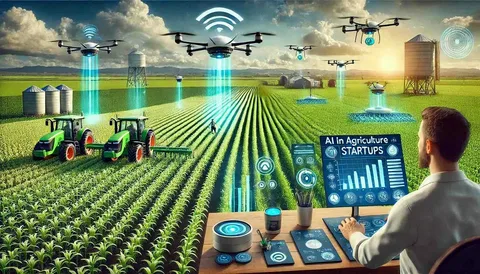
AI-driven farming refers to the use of Artificial Intelligence tools and data analytics to make smarter farming decisions. It involves technologies like machine learning, computer vision, drones, and Internet of Things (IoT) devices to monitor soil conditions, predict weather patterns, and manage crops efficiently. These systems analyze massive amounts of data collected from farms to provide accurate recommendations for irrigation, fertilization, pest control, and harvesting.
For example, AI-powered drones can scan large fields and identify areas that need more water or fertilizer. Similarly, smart sensors can monitor soil health in real time, helping farmers apply just the right amount of nutrients reducing waste and environmental impact.
How AI Boosts Sustainable Agriculture
- Precision Farming:
AI helps farmers understand exactly what each plant needs. By analyzing soil moisture, crop health, and weather data, AI ensures resources like water and fertilizers are used efficiently. This not only increases yield but also minimizes wastage and pollution. - Smart Pest and Disease Control:
With computer vision and predictive analytics, AI systems can detect early signs of pest attacks or plant diseases. Farmers can then take quick, targeted action reducing the need for harmful pesticides and ensuring healthier crops. - Efficient Resource Management:
AI-based irrigation systems can automatically adjust water usage based on real-time conditions. This saves water, a critical step in sustainable agriculture, especially in regions facing droughts or water scarcity. - Climate Prediction and Risk Management:
Climate change has made farming unpredictable. AI models analyze historical data and forecast future weather trends, helping farmers plan planting and harvesting schedules effectively. This reduces crop loss and improves overall productivity. - Robotic Automation:
Robots powered by AI can perform repetitive and labor-intensive tasks like planting, weeding, and harvesting. This reduces human effort, speeds up the farming process, and maintains consistent crop quality.
The Environmental and Economic Impact
AI in agriculture is not just about higher yields it’s about building a sustainable ecosystem. By reducing water and chemical usage, AI helps preserve soil health and biodiversity. It also cuts greenhouse gas emissions by optimizing machinery usage and minimizing overproduction. Economically, farmers save costs through resource optimization, better yield prediction, and reduced crop failure risks.
Challenges and the Future Ahead
While AI offers tremendous benefits, there are challenges such as high implementation costs, limited digital literacy among farmers, and data privacy concerns. However, as technology becomes more affordable and accessible, small and large-scale farmers alike are expected to adopt AI tools widely.
Conclusion:
AI-driven farming represents the future of sustainable agriculture. By combining data intelligence with nature’s processes, it empowers farmers to produce more food with fewer resources while caring for the planet. As the global population continues to grow, AI will play a crucial role in ensuring food security, reducing environmental impact, and building a greener, smarter, and more sustainable agricultural future.