
As the world moves toward sustainability, electric vehicles (EVs) have become a major focus of innovation and investment. The global automotive industry is undergoing a historic transformation shifting from traditional internal combustion engines to clean, battery-powered alternatives. But while EVs promise a greener, smarter, and more efficient future, an important question remains: Are we truly ready for this shift?
The Growing Popularity of Electric Vehicles
Over the past decade, the demand for electric vehicles has skyrocketed. Leading manufacturers like Tesla, BYD, Rivian, and major automakers such as Ford, Toyota, and Volkswagen are investing billions in EV production and research. Governments worldwide are also promoting EV adoption through tax incentives, reduced registration fees, and charging infrastructure development.
This rapid adoption is driven by the global push to reduce carbon emissions, tackle climate change, and promote sustainable energy solutions. Electric vehicles produce zero tailpipe emissions, making them a key tool in achieving environmental goals and cleaner cities.
Challenges in Adopting EVs Globally
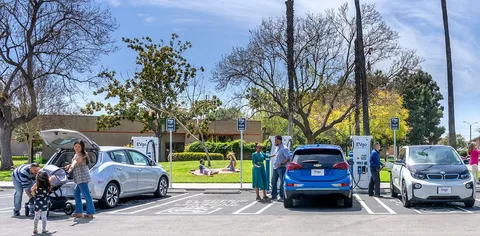
Despite the progress, several barriers still prevent a complete transition. One of the biggest challenges is charging infrastructure. In many countries, public charging stations remain limited, making long-distance travel difficult for EV users. Range anxiety fear of running out of battery before reaching a charging point still discourages potential buyers.
Another concern is battery production and recycling. While EV batteries reduce carbon emissions during use, their manufacturing process can be resource-intensive, relying heavily on lithium, cobalt, and nickel. Proper recycling and disposal systems are essential to prevent future environmental harm.
Additionally, the high initial cost of electric vehicles remains a challenge in developing countries. Although operational costs are lower, affordability and accessibility still need to improve for wider adoption.
Technological Advancements Leading the Way
Fortunately, technological innovation is rapidly addressing these issues. Battery efficiency, charging speed, and vehicle range are improving every year. Fast-charging stations can now power up an EV to 80% in less than 30 minutes, and ongoing research in solid-state batteries promises even faster charging and longer lifespan.
Artificial Intelligence (AI) and Internet of Things (IoT) technologies are also enhancing EV performance and safety. Smart navigation, predictive maintenance, and energy optimization are making electric vehicles more reliable and convenient for everyday use.
The Future Outlook: Are We Ready?
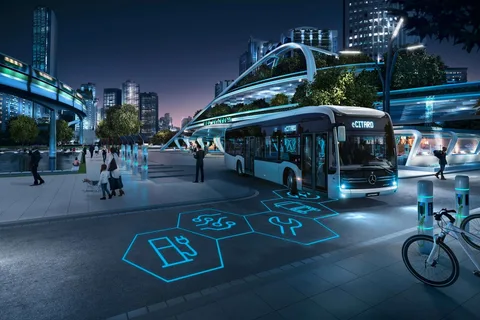
The transition to electric mobility is not a question of “if” but “when.” However, readiness varies by region. Developed countries are already leading in EV adoption, infrastructure, and policy support. Developing nations, on the other hand, are still building the foundation for this green revolution.
Governments, private sectors, and consumers all play vital roles. For a successful shift, investment in renewable power, local manufacturing, battery recycling, and public awareness is crucial.
Conclusion:
Electric vehicles represent the future of transportation cleaner, quieter, and more efficient. While challenges remain in cost, infrastructure, and sustainability, progress is moving rapidly. The world is preparing for the EV revolution, and with continued innovation and cooperation, the transition will not only be possible but inevitable.