
In the modern world, urbanization is growing rapidly, and with it comes challenges such as pollution, energy consumption, waste management, and traffic congestion. To tackle these issues, cities are turning toward Artificial Intelligence (AI) the driving force behind the rise of smart cities. These AI-powered systems are transforming traditional cities into sustainable, efficient, and environmentally friendly urban spaces that improve the quality of life for residents.
What Are Smart Cities?
A smart city uses advanced technologies such as AI, IoT (Internet of Things), big data, and cloud computing to optimize city operations and services. Sensors, cameras, and data networks continuously collect information about traffic, energy usage, air quality, and public safety. AI systems analyze this data in real time, helping city administrators make intelligent decisions that enhance sustainability and efficiency.
AI and Energy Efficiency
Energy management is a major focus of smart cities. AI algorithms monitor electricity usage patterns, predict energy demands, and automatically adjust power distribution to prevent waste. Smart grids and AI-based energy systems integrate renewable sources like solar and wind, ensuring a stable and eco-friendly energy supply. For example, AI can turn off unused streetlights or optimize heating and cooling in buildings based on occupancy, reducing carbon emissions and saving costs.
Waste Management and Recycling
Traditional waste management often leads to overflowing bins and inefficient collection routes. AI changes this by using sensors that alert authorities when bins are full. Machine learning models also analyze waste generation patterns, enabling smarter recycling programs and optimized collection schedules. These systems not only reduce pollution but also encourage citizens to participate in maintaining a cleaner environment.
Smart Transportation Systems
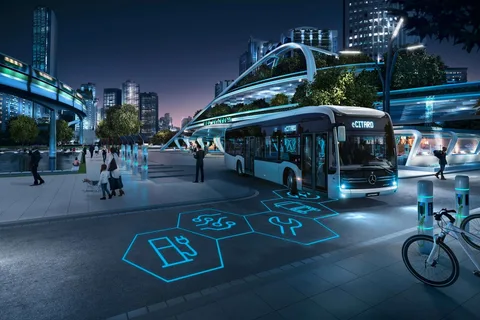
Traffic congestion is one of the biggest problems in urban areas. AI helps build intelligent transportation systems that predict traffic flow, manage public transportation, and optimize traffic light patterns to reduce waiting times. Real-time data from GPS and road sensors allows for smoother vehicle movement, saving time and fuel. Additionally, AI supports the development of electric and autonomous vehicles key contributors to reducing carbon emissions.
Environmental Monitoring
Air and water quality are crucial for public health. AI-based sensors in smart cities continuously monitor environmental data, detecting harmful pollutants or irregularities in real time. This allows authorities to take immediate action, such as restricting industrial emissions or alerting citizens about poor air conditions. Over time, AI models learn patterns and predict pollution trends, helping cities plan long-term environmental strategies.
AI in Urban Planning
Urban planners use AI to simulate different development scenarios before implementation. By analyzing factors like population growth, traffic density, and resource distribution, AI tools help design sustainable city layouts that minimize waste and maximize livability. This data-driven planning ensures that cities expand intelligently while maintaining environmental balance.
Conclusion:
AI is the backbone of the smart city revolution, turning complex urban challenges into manageable, sustainable systems. From energy optimization and waste management to intelligent transportation and pollution control, AI empowers cities to become cleaner, greener, and more efficient. As technology continues to evolve, the integration of AI will be essential for building sustainable cities of the future where innovation meets responsibility, and urban living becomes both smart and eco-friendly.