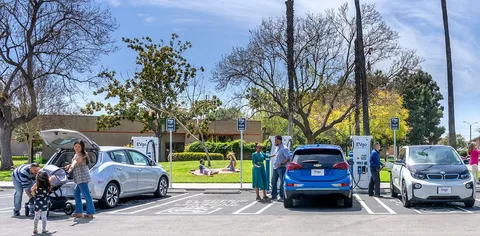

The world is shifting toward a cleaner, greener, and more sustainable future. Electric Vehicles (EVs) are playing a key role in reducing air pollution, lowering carbon emissions, and cutting dependence on fossil fuels. To speed up this transformation, governments across the globe are introducing various programs, incentives, and policies to encourage people and companies to adopt electric vehicles.
Global Efforts to Promote EVs
Countries are realizing that transportation is one of the biggest contributors to greenhouse gas emissions. By supporting EVs, governments can make a huge impact on climate change and urban air quality. For this reason, several nations have developed strategies to make EVs more affordable and accessible.
In the United States, the government offers federal tax credits of up to $7,500 for purchasing electric vehicles, depending on the model and manufacturer. States like California also provide additional incentives, such as rebates, access to carpool lanes, and free or discounted parking. Moreover, the U.S. is investing heavily in building charging infrastructure across highways and cities to remove range anxiety among EV users.
European countries are leading the way in EV adoption. Norway, for instance, plans to end the sale of new petrol and diesel cars by 2025. It provides zero import taxes and registration fees for EVs, making them cheaper than fuel-powered vehicles. The United Kingdom and Germany have also announced billions in funding to expand charging networks and offer purchase grants for electric cars and vans.
In Asia, China stands at the forefront of electric mobility. The Chinese government supports both consumers and manufacturers through subsidies, tax exemptions, and research funding. China has the largest EV market in the world, thanks to policies that encourage production and innovation in the electric vehicle sector. India is also moving in the same direction, with its “Faster Adoption and Manufacturing of Hybrid and Electric Vehicles (FAME)” scheme, which offers financial incentives for electric two-wheelers, cars, and buses.
Even in developing countries, governments are recognizing the environmental and economic benefits of EVs. Many have started reducing import duties on electric vehicles and offering incentives for setting up local assembly plants. These steps not only create jobs but also help reduce the cost of EVs for consumers.
The Road Ahead
Government support is the foundation of global EV growth. However, there is still a long way to go. Expanding charging infrastructure, improving battery technology, and making EVs affordable for everyone are key challenges. With continuous collaboration between governments, automakers, and technology companies, these goals can be achieved sooner than expected.
Conclusion:
The shift to electric vehicles is no longer just a trend it’s a worldwide movement toward a sustainable future. Governments around the world are taking strong steps to encourage EV adoption through financial incentives, infrastructure development, and long-term policies. These efforts not only help fight climate change but also promote cleaner air, lower fuel costs, and new economic opportunities. As global support continues to grow, the dream of an all-electric, pollution-free transportation system is becoming a reality.