
In today’s world, where pollution levels are constantly rising, the idea of buildings that can actually clean the air sounds like something out of a science fiction movie. However, it’s becoming a real possibility through modern green technology and smart design. Buildings are now being developed to not only reduce their carbon footprint but also to help purify the surrounding air. This innovative approach is shaping the future of eco-friendly architecture and making cities healthier places to live.
Modern architects and environmental scientists are working together to create structures that interact positively with the environment. One major development is the use of air-purifying building materials. For example, certain paints, tiles, and concrete types can absorb and neutralize air pollutants like nitrogen oxides and carbon dioxide. These materials work through photocatalytic reactions when sunlight hits the surface, it activates a process that breaks down harmful chemicals into harmless substances. This means that a single building covered in these materials can clean as much air as a small forest would in a day.
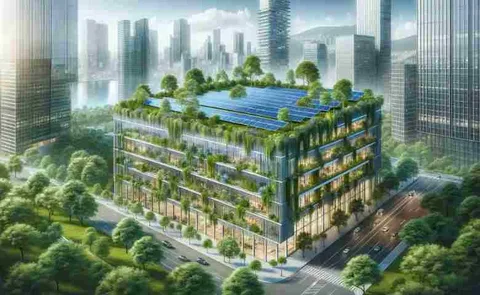
Another promising solution is the integration of living green walls and roofs. These are walls or rooftops covered with vegetation that act as natural air filters. Plants absorb carbon dioxide and release oxygen, improving air quality. They also trap dust, reduce heat, and provide insulation, which lowers the need for air conditioning. In urban environments filled with concrete and vehicles, such green walls can make a major difference. For example, cities like Milan, Singapore, and Paris have already adopted this idea by adding vertical gardens and green skyscrapers to their landscapes.
In addition to these, smart ventilation systems are being introduced that can filter polluted air and maintain a fresh indoor atmosphere. Some modern systems use AI sensors that monitor air quality and adjust ventilation automatically. Combining these technologies creates sustainable buildings that protect both people inside and the environment outside.
Governments and city planners are also supporting this shift by encouraging the use of sustainable materials and eco-friendly construction techniques. Many cities are adopting green building standards such as LEED (Leadership in Energy and Environmental Design), which reward projects that promote energy efficiency, air purification, and waste reduction. As awareness about climate change grows, these innovations are becoming more popular among architects and real estate developers who want to create buildings that serve both people and the planet.
Conclusion:
The future of construction is not just about tall, modern designs it’s about buildings that breathe and clean the air. Air-purifying materials, green walls, and smart ventilation systems are leading us toward a cleaner and greener urban future. By embracing these technologies, we can turn cities into living ecosystems where buildings act as allies in the fight against pollution. As more eco-friendly projects rise around the world, the vision of cleaner air and sustainable living becomes one step closer to reality.