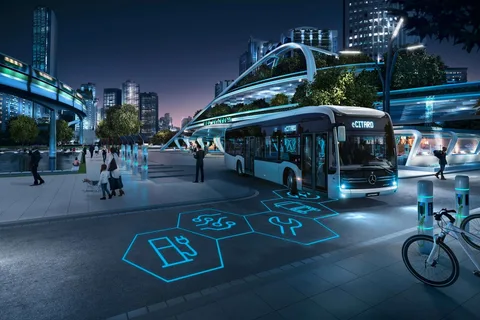

The modern world is moving towards sustainable living, and one of the most impactful innovations in this journey is the introduction of electric buses in public transport. Cities around the globe are adopting electric transportation systems to reduce pollution, save energy, and improve urban air quality. These buses run on clean electricity instead of fossil fuels, helping to lower greenhouse gas emissions and noise pollution two of the major problems caused by traditional diesel and petrol vehicles.
Electric buses are not just an environmental upgrade but also an economic and social improvement. By using renewable energy sources such as solar or wind power to charge batteries, they help countries reduce their dependence on imported oil. This leads to cost savings in the long term, as electricity is often cheaper and more stable in price compared to fuel. Moreover, electric buses require less maintenance because they have fewer moving parts than combustion engines. This means lower operational costs for governments and transport companies, making public transport more efficient and affordable for citizens.
Another key advantage of electric buses is their positive impact on health and the environment. Traditional fuel buses emit harmful gases like nitrogen oxides, carbon monoxide, and particulate matter, which are linked to respiratory and heart diseases. By replacing them with electric alternatives, cities can significantly improve air quality. Cleaner air leads to healthier lives, fewer hospital visits, and a better overall living environment, especially for people living near busy roads and transport hubs.
Electric buses also play an important role in fighting climate change. Transportation is one of the largest contributors to global carbon emissions, and transitioning to electric mobility can greatly reduce the carbon footprint of cities. Many developed countries are already seeing the results. For example, China operates hundreds of thousands of electric buses, cutting millions of tons of carbon dioxide annually. European cities like Amsterdam, London, and Paris are also investing in 100% electric or hybrid fleets, setting examples for the rest of the world to follow.
In addition, electric buses are helping create smarter, cleaner, and quieter urban environments. The absence of engine noise makes cities more peaceful, while innovations like smart charging stations and energy-efficient routes make public transport more reliable. The use of modern technologies such as GPS tracking, real-time passenger updates, and AI-powered energy management is making electric public transport both sustainable and convenient.
Conclusion:
The shift to electric buses and eco-friendly public transport is not just a trend it is a necessary step toward a sustainable future. By adopting this technology, governments can reduce pollution, improve public health, and combat climate change while providing citizens with a cleaner, quieter, and more efficient transportation system. Investing in electric mobility today will ensure greener, smarter, and more livable cities for generations to come.